

You are writing a message about a ripped shopping bag and you stop. Is it "tear" or "tare"? The two words look almost identical — same four letters, just the last two swapped around — and that is exactly why they trip people up. The short answer is this: they are completely different words. "Tear" means to rip something apart, or a drop of water from your eye. "Tare" is the weight of an empty container, or a type of weed. So when you are stuck on tear or tare, the question to ask is what you are actually talking about, not how the word looks.
It also helps to know that "tear" is pronounced two ways depending on its meaning — one way for ripping, another for crying. "Tare" has only one pronunciation. This guide walks through both words, shows you how to tell them apart, and gives you a memory trick so you never mix them up again.
Related Post: What Does ACC Mean?
Quick Answer
"Tear" means to rip something, or a drop from the eye. "Tare" means the weight of an empty container, or a weed. They are different words that happen to share the same letters.
That is the whole difference in one line: ripping, crying, or a hole in something means "tear"; weighing, packaging, or shipping means "tare".
- Tear (pronounced "tair") is a verb: to pull or rip something apart, like tearing a page out of a notebook.
- Tear (pronounced "teer") is a noun: a drop of liquid from the eye, as in "a tear rolled down her cheek".
- Tare (pronounced "tair") is a noun: the weight of an empty container, box, or vehicle, counted separately from what is inside it.
- Tare is also a weed — a plant that looks like wheat but is not — which is where the word comes from in the Bible.
What Does Tear Mean?
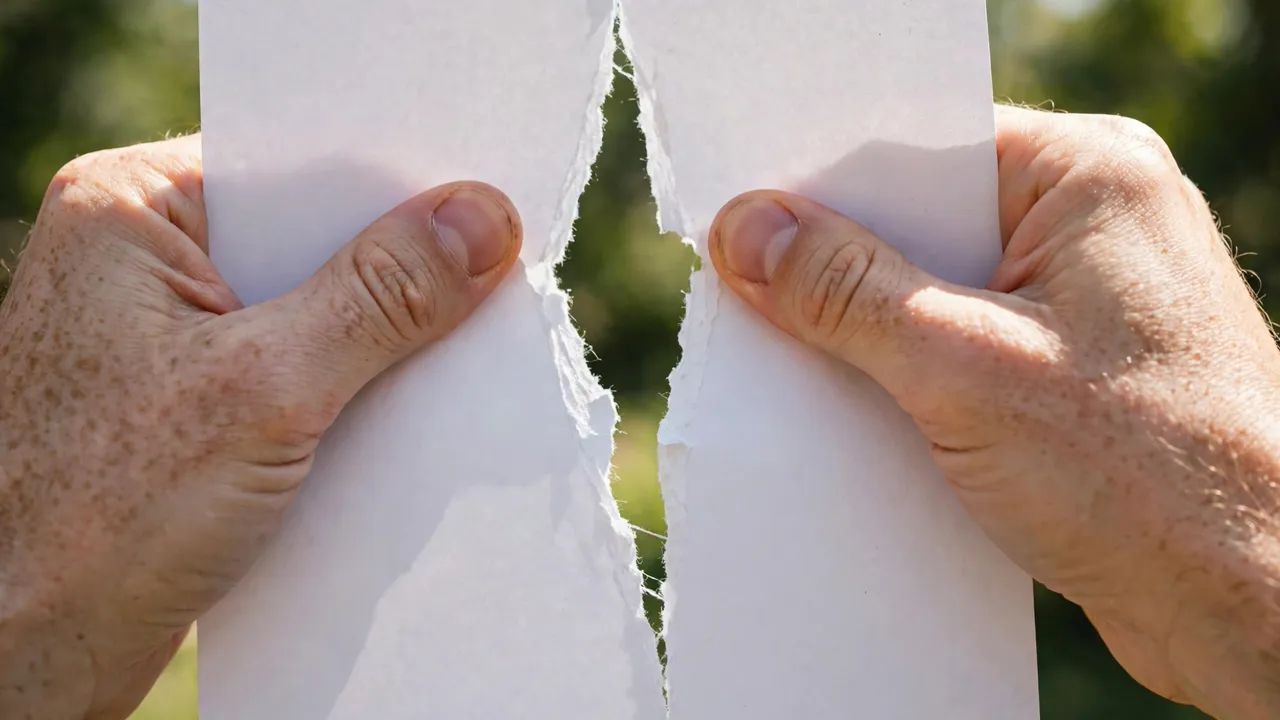
"Tear" does double duty, and it changes its sound depending on which job it is doing. That is the part that catches most people out.
When "tear" means to rip or pull something apart, it rhymes with "air" and "hair" — pronounced "tair". You tear a piece of paper, you tear open an envelope, you tear a muscle in your leg. The past tense is "tore" and the past participle is "torn" — "she tore the letter in half" and "the letter was torn".
When "tear" means a drop of water from the eye, it rhymes with "ear" and "fear" — pronounced "teer". This is the "tear" of crying, of laughter that goes too far, of an eye watering in cold wind. It is a noun, and it has nothing to do with ripping. "A tear ran down his face" and "her eyes filled with tears" both use this pronunciation. So the same four letters carry two meanings and two sounds, and the meaning you want decides which sound comes out of your mouth.
Here are the everyday situations where "tear" shows up:
- Ripping paper or fabric: "Tear along the dotted line." "He tore the wrapping paper off the present."
- Damaging something by pulling: "She tore her jeans on the fence." "The dog tore a hole in the cushion."
- Moving fast or rushing: "The car tore down the street." "She tore through the book in one evening."
- Crying or watering eyes: "A tear slipped down her cheek." "The film had everyone in tears."
- A hole or split in something: "There is a tear in the sleeve of your jacket." Here "tear" is a noun again, pronounced "tair", and it means the rip itself.
What Does Tare Mean?
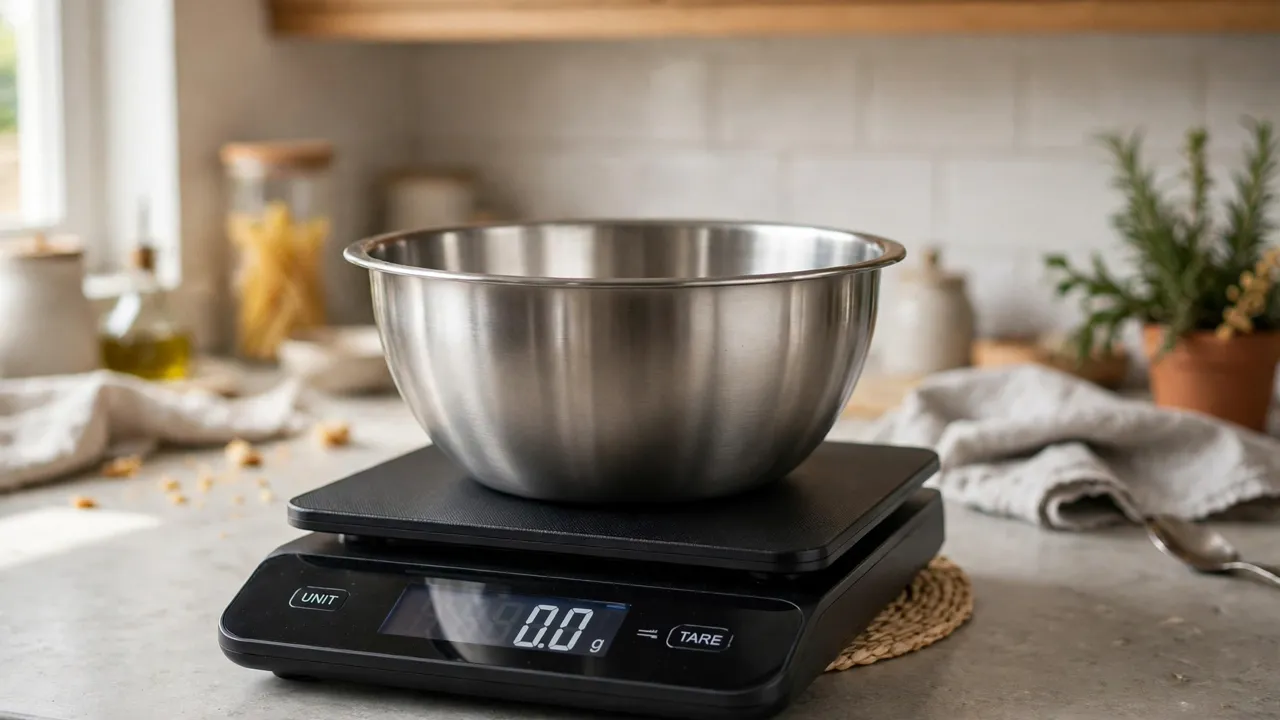
"Tare" is a much rarer word than "tear", and most people meet it for the first time on a label, a delivery note, or a weighing scale. It rhymes with "air", just like the ripping kind of "tear" — which is part of the problem — but its meaning belongs to a completely different world: weights and measures.
Most commonly, "tare" is the weight of an empty container, wrapper, or vehicle — the thing that holds the goods, rather than the goods themselves. At a deli counter, the assistant weighs the empty tub first, then the full tub, and subtracts the first weight from the second. That first weight is the tare; the weight of the olives alone is the net weight. The same applies to lorries and shipping containers: the tare weight is how much the empty vehicle weighs, so the load can be worked out by subtraction.
The word also has an older, completely different meaning. A "tare" is a weed — specifically a type of grass, often identified as darnel, that grows among wheat and looks a lot like it until the harvest. It appears in the Bible, in the parable of the wheat and the tares. You will almost never need this meaning in everyday writing, but it explains why the word shows up in old books and sermons.
Here is where you are most likely to come across "tare" in real life:
- On a weighing scale or food label: "Tare: 0.2 kg" on a packet, or the tare button on a kitchen scale that zeroes out the bowl's weight.
- In shipping and logistics: "Tare weight: 2,400 kg" on a container or lorry, showing how much the empty vehicle weighs.
- At a deli or market stall: the assistant taps the tare button before weighing your food, so you only pay for the food, not the tub.
- In old or religious writing: "the wheat and the tares" — the weed meaning, almost always quoting the parable.
Tear or Tare Compared
The easiest way to settle tear or tare is to see the two words side by side.
| Word | Meaning | Pronunciation | Example |
|---|---|---|---|
| tear (verb) | To rip or pull something apart | "tair" (rhymes with air) | "Don't tear the wrapping paper." |
| tear (noun) | A drop of water from the eye | "teer" (rhymes with ear) | "A tear ran down her cheek." |
| tare (noun) | The weight of an empty container; also a weed | "tair" (rhymes with air) | "The tare weight of the box is 200 g." |
Notice the trap in that table. The ripping "tear" and "tare" sound exactly the same — both "tair" — so you cannot tell them apart by ear, only by meaning. Ripping, tearing, or crying means "tear"; weighing an empty box, tub, or lorry means "tare".
It is the same kind of sound-alike problem as disc or disk, where two spellings of a similar-sounding word have settled into different jobs. The spelling is the only thing that separates them, so the spelling is what you have to get right.
Related Post: What Does OMG Mean?
Correct vs Incorrect: Quick Pairs to Learn From
The fastest way to settle tear or tare is to see the right and wrong versions next to each other. Read each pair and say the correct one out loud — hearing it helps it stick.
| Correct | Incorrect |
|---|---|
| "Please tear the ticket along the dotted line." | "Please tare the ticket along the dotted line." |
| "A tear rolled down her cheek." | "A tare rolled down her cheek." |
| "The tare weight of the empty crate is 15 kg." | "The tear weight of the empty crate is 15 kg." |
| "He tore his shirt climbing over the fence." | "He tare his shirt climbing over the fence." |
| "Press the tare button before you weigh the flour." | "Press the tear button before you weigh the flour." |
Look closely at the last pair. Kitchen scales really do have a button labelled "tare" that zeroes the scale so the bowl's weight does not count. And note the fourth pair: "tore" is the past tense of the ripping "tear", and it never looks like "tare" — so the confusion only bites with the present-tense form.
A Simple Memory Trick
Here is a trick for the tear or tare question that works for a lot of people, and it takes about ten seconds to learn. "Tare" has an "a" in it, and so does "scale" — and "tare" is the word you use on a scale. Both words share that letter "a", and both belong to the world of weighing. The next time you are weighing something and the word pops into your head, think of the "a" in "scale" and the "a" in "tare", and the spelling will come with it.
If that one does not click, try this instead. "Tear" has an "e" in it, and so does "eye" — and tears come from your eye. The crying kind of "tear" lives in the eye, and the letter "e" is the link. For the ripping kind, think of the "e" as the gap between the two pieces.
Keep whichever trick clicks and use it every time until the spelling becomes a reflex. After a week of doing it deliberately, you will not need the trick any more.
Examples in Real Life

Here is where the two words do their normal job in the places you actually write and speak — split by situation, because the situation decides the spelling.
In text messages, "tear" shows up far more often than "tare", usually when someone is talking about something ripped or about crying. It is the same kind of everyday word that makes people look up are there more doors or wheels when a silly debate pops up in the group chat:
- "Don't tear the tag off, I might need to return it."
- "I tore my jeans on the fence again, so annoying."
- "That film had me in tears, honestly."
At work and in shipping, "tare" is the word that earns its keep. Warehouse staff, delivery drivers, and anyone who weighs goods for a living use it every day:
- "The tare weight is printed on the side of the container: 2,400 kg."
- "Subtract the tare before you record the net weight of the shipment."
- "Press tare on the scale, then add the rice — that way you only weigh the rice."
In the kitchen, both words can appear on the same day, which is why this pair causes so much trouble at home:
- "Tare the bowl first, then weigh the flour." (the scale button)
- "Careful, you'll tear the pastry if you roll it too thin." (the ripping verb)
- "There was a tear in the bag, so half the sugar spilled out." (the rip as a noun)
If you can keep those three kitchen sentences straight, you can keep tear or tare straight anywhere.
Common Mistakes with Tear and Tare
Even people who know the rule slip up, usually for the same few reasons. Here are the ones to watch for.
- Writing "tare" when you mean the ripping verb. "Tare the paper in half" is wrong. If something is being ripped, pulled, or split, the word is always "tear".
- Writing "tear" on a weighing label or delivery note. "Tear weight: 15 kg" is wrong, and in a warehouse it is a label nobody can trust. The weight of an empty container is always "tare".
- Mixing up the two pronunciations of "tear". Saying "teer" when you mean ripping, or "tair" when you mean crying, will confuse the person listening. "Tair" rips, "teer" cries — keep them separate in your head.
- Using "tore" and "torn" wrong. "Tore" is the past tense of the ripping "tear" ("she tore the page"), and "torn" is the past participle ("the page was torn"). Neither has anything to do with "tare".
- Trusting autocorrect too much. Some keyboards have learned "tare" from their users and will happily suggest it when you type "tear", and the other way round. Autocorrect learns from what people type, not from what is correct. For another case where one short word carries a meaning most people never check, have a look at what BFFR means.
FAQs
Is tare a real word?
Yes, "tare" is a real word with two meanings. Most commonly it is the weight of an empty container, box, or vehicle, counted separately from the goods inside it. It is also the name of a weed that looks like wheat, famous from the parable of the wheat and the tares in the Bible. It is rare in everyday talk, but standard in weighing, shipping, and logistics.
How do you pronounce tear?
It depends on the meaning. Ripping something apart is "tair", rhyming with "air" and "hair". A drop of water from the eye is "teer", rhyming with "ear" and "fear". The spelling is the same in both cases, so the meaning of the sentence tells you which sound to use.
What is tare weight?
Tare weight is the weight of an empty container, wrapper, or vehicle, before anything is put in it. On a kitchen scale, you press the tare button to zero out the weight of the bowl, so only the food is weighed. On a lorry or shipping container, the tare weight is printed on the side, so the weight of the load can be worked out by subtracting it from the total weight.
What is the difference between tear and tare?
"Tear" means to rip something apart, or a drop from the eye. "Tare" means the weight of an empty container, or a weed. The two words share the same letters in a different order and, in the case of the ripping "tear", they sound identical — but their meanings belong to completely different worlds. Ripping or crying means "tear"; weighing means "tare".
Is it "tear apart" or "tare apart"?
It is always "tear apart". The phrase means to rip something into pieces, or to criticise something harshly, as in "the critics tore the film apart". "Tare apart" is never correct. If you can replace the word with "rip", the word you want is "tear".
Conclusion
The answer is simple: "tear" means to rip, or a drop from the eye, and "tare" means the weight of an empty container, or a weed. They look alike, and in one case they sound alike, but they are different words doing different jobs. If the sentence is about ripping, tearing, or crying, the word is "tear". If it is about weighing a box, a tub, or a lorry, the word is "tare".
The two words are anagrams — the same four letters in a different order — so your fingers can type either one without your brain noticing. Remember the tricks: "tare" shares an "a" with "scale", and "tear" shares an "e" with "eye".
So the next time you are typing fast and that little pause arrives, ask yourself what the sentence is about — ripping or weighing — and the right word will follow. That is the tear or tare question, settled.
Related Post: Inbetween or In Between: Which One Is Correct?

Emily here. I write about puns, slang, and the quirky side of language because words are funnier than people give them credit for. Four years in, and I still laugh at my own jokes. Someone has to.
